

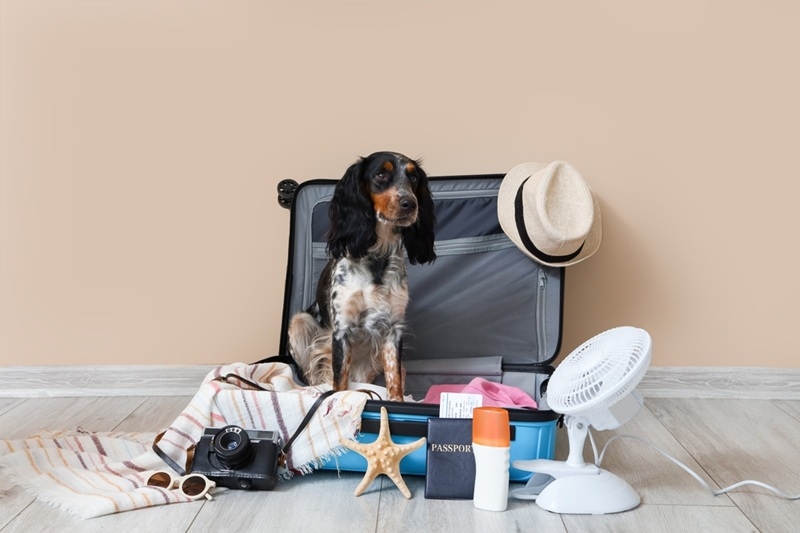
Traveling with a dog can be genuinely fun, but it is rarely as simple as grabbing a leash and heading out the door. Dogs do not care that the hotel is cute, the drive is scenic, or the trip has been planned for weeks. They care about whether they feel safe, comfortable, fed, and able to settle in a place that smells unfamiliar. That is why packing well matters so much.
A lot of people only realize this after the trip has already started. They remember food but forget bowls. They bring toys but forget waste bags. They pack a leash but not the dog’s usual blanket, then wonder why their pet seems unsettled in the room all night. Small misses can turn into surprisingly annoying problems once the journey is underway.
That is why knowing What to Pack When Traveling with a Dog is more than a cute planning detail. It makes the trip easier for the dog and less stressful for the person doing the traveling. A good packing routine helps avoid frantic last-minute store runs, messy car situations, and the kind of preventable discomfort that can make a short trip feel much longer than it is.
The smartest dog travel packing starts before anything goes into a bag. First, it helps to think about the kind of trip ahead. A quick weekend road trip is different from a week at a rental home. A hotel stay is different from camping. A calm older dog usually needs something different from a high-energy puppy.
That is why a solid Dog Travel Packing List should reflect the actual trip, not just a generic idea of pet travel. The dog’s age, routine, health, and temperament all matter. A dog that gets carsick needs different preparation than one that sleeps through every drive. A dog that is anxious in new places may need familiar comforts that another dog could skip without a problem.
Before packing, it helps to think through:
This quick planning step makes the actual packing far more useful.
The easiest place to begin is with the essentials the dog cannot do without. Food and water seem obvious, but this is where many people still underpack or pack badly. Bringing just enough food for the exact number of days is risky. Delays happen. Spills happen. Dogs sometimes eat differently when they are away from home.
A good rule is to pack more than seems necessary. Enough for the trip, plus a little extra, usually feels safer. It also helps to keep the dog on the same food instead of experimenting during travel. A travel day is not the time to discover a stomach issue.
A useful section of the checklist for pet travel kit should include:
Keeping feeding as normal as possible often helps the dog settle faster. Familiar meals can make an unfamiliar place feel a little less strange.
Comfort matters, but safety comes first. A dog moving freely around a vehicle may seem harmless until there is a sudden stop, a sharp turn, or an open car door in a busy parking lot. Secure travel setups help protect the dog and lower the chance of panic-related accidents.
That is why Essential Pet Travel Packing Tips should always include secure restraint gear. Depending on the dog and the type of travel, this might mean a crate, carrier, travel harness, or seat belt attachment. The right choice usually depends on size, behavior, and what helps the dog feel stable.
Important safety items often include:
The backup leash deserves special mention because it is the kind of thing people forget until the original breaks or gets left behind in a hotel room.
This is the part people sometimes underestimate. Dogs do not understand why they are suddenly expected to sleep in a hotel, lie quietly in a new cabin, or settle into a relative’s guest room. Familiar comfort items help bridge that gap. They make the dog feel like something from home came along too.
This is why a strong answer to What to Pack When Traveling with a Dog almost always includes comfort, not just utility. The dog’s regular blanket, favorite toy, usual bed, or even a worn T-shirt that smells like home can make a real difference.
Useful comfort items may include:
These things may not look important in a packing photo, but they often matter once evening comes and the dog is trying to relax in a strange place.
Read Next: Portable Chargers Travel Picks to Stay Charged Anywhere
This is where pet travel can get messy fast if the basics are skipped. Dogs still need regular bathroom breaks, and travel often increases the chance of accidents, muddy paws, wet fur, or motion-related stomach issues. It is much easier to deal with these things when supplies are already within reach.
A practical Dog Travel Packing List should always include cleanup tools, even for very well-behaved dogs. Travel changes routines, and routine changes can affect bathroom timing in ways that catch people off guard.
Smart cleanup items include:
Having these nearby makes the trip feel more manageable. It also helps protect hotel rooms, rental properties, and the inside of the car from problems that become much harder to handle without the right basics.
Dogs with medical needs require extra attention during travel, but even healthy dogs benefit from a small health section in the bag. Travel can trigger things that do not come up much at home, including stomach upset, seasonal allergies, minor cuts, or tick exposure depending on the destination.
That is why any serious checklist for pet travel kit should include health items in a clearly organized place. Medication should never be buried under toys and towels. It should be easy to find quickly if needed.
Health-related items might include:
It also helps to avoid bringing brand-new supplements or calming tools for the first time on a travel day. Dogs tend to do better with what is already familiar.
A destination may sound simple on paper, but the real conditions matter. A dog headed to the beach, mountains, city streets, or winter weather needs different support. Thick-coated dogs can still overheat. Small dogs can get cold quickly. Rain creates muddy paws and wet bedding faster than people expect.
This is one of the more useful Essential Pet Travel Packing Tips to remember because weather affects comfort all day, not just once. Packing with the environment in mind usually prevents the most common avoidable problems.
Weather-related extras may include:
These additions do not need to be dramatic. They just need to make the dog’s environment more manageable.
One of the best ways to make travel smoother is to keep some routine around the dog, even if the setting changes. That means the things used most often should not be packed deep inside a suitcase or mixed into luggage that gets opened only at night. Dogs usually do better when meals, walks, and rest happen in a familiar rhythm.
That is why What to Pack When Traveling with a Dog should also include how to pack, not only what to bring. A small grab bag for the car or first few hours can make the whole trip feel more organized.
That easy-access bag might include:
This is especially helpful on longer drives, because no one wants to unpack half the trunk at a gas station just to find a leash and water bowl.
Most good packing is not exciting. It is preventative. It stops the trip from becoming harder than it needs to be. The right food prevents stomach issues. The right restraint prevents unsafe movement. The right blanket helps the dog settle. The right cleanup tools prevent minor chaos from becoming a bigger mess.
That is why a useful Dog Travel Packing List is really a stress-reduction tool. It helps the person feel calmer because they are not constantly improvising. It helps the dog feel steadier because their basic needs are being met in a familiar way, even outside the home.
Packing well does not mean bringing everything the dog has ever touched. It means bringing the things that protect routine, comfort, safety, and ease.
In Case You Missed It: Hidden Travel Destinations Worth Exploring In 2026
Travel with a dog tends to go more smoothly when the least glamorous items are packed properly. Waste bags, medicine, bowls, extra towels, and backup leashes do not feel exciting at home, but they become the most useful things on the road. The same is true for familiar bedding, sealed food containers, and a few comfort items that help the dog settle in an unfamiliar space.
That is why Essential Pet Travel Packing Tips are usually less about buying trendy travel gadgets and more about making thoughtful, practical choices. A good trip is not built on novelty. It is built on being ready for the ordinary things that dogs still need, even when the setting changes.
In the end, the smartest answer to What to Pack When Traveling with a Dog is simple. Pack for comfort, safety, routine, and mess. If those four things are covered well, the trip usually gets easier for everyone involved.
Usually, no. Travel already changes enough for a dog, so food is often one of the best things to keep consistent. Switching food during a trip can increase the chance of stomach upset, loose stool, or refusal to eat, especially if the dog is already a little stressed by the change in environment. The better approach is usually to bring the dog’s regular food and enough of it to last the whole trip, plus a little extra in case the return gets delayed or something spills.
That depends on the length of the trip, but in most cases a dedicated small-to-medium bag works best. It keeps the dog’s supplies separate from human luggage, which makes essentials easier to find quickly. A leash, bowls, food, medication, and cleanup items all become less stressful when they are in one place. For longer trips, a second container for food or bedding can help, but the main items should still stay organized in a bag that can be reached without much digging.
One of the most common mistakes is packing only for obvious needs and forgetting routine comforts. Many people remember food and a leash but forget the dog’s bed, favorite blanket, or a familiar toy that helps with settling down. Another common mistake is underpacking cleanup supplies, especially for car rides or hotel stays. The trip tends to go much better when the packing list includes not only survival basics, but also the little things that keep the dog calmer and the environment easier to manage.
This content was created by AI